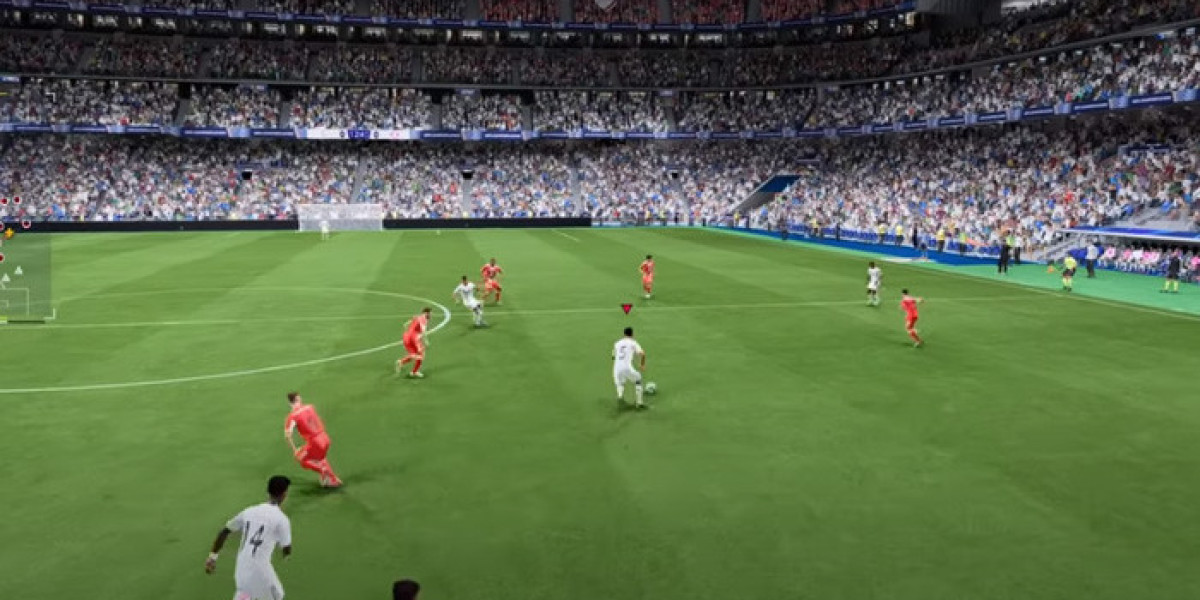

A big reason many pros lean toward the 4‑4‑1‑1 in FC 26 is the central role of the CAM, and this is where Anders Vergang’s setup offers a masterclass in how to build an attack without just trying to buy fc 26 coins and stack superstars. The CAM is not just another attacker; this player is the strategic brain that ties together pressing, passing, and final‑third combinations.
Instead of selecting an instruction that constantly pushes the CAM into striker‑like runs, Anders opts for a dedicated playmaker behavior. This keeps the CAM in central pockets rather than drifting too wide or rushing behind the line, making them consistently available as an outlet during buildup. Because FC 26 heavily rewards well‑timed first‑time through balls, having a CAM who is always in the right pocket makes this vertical passing style much more reliable.
The relationship between the striker and the CAM is extremely deliberate. The striker’s advanced forward role ensures that defenses must respect the depth threat at all times, which creates a clear passing lane from CAM to striker. As a result, defenders are often caught in two minds: step up and risk a ball over the top or drop off and leave the CAM free to turn and combine with the wingers.
What really elevates this structure, though, is how the wide midfielders interact with the playmaker. Anders often uses winger‑level quality on both sides and instructs them to attack the box aggressively, much like inside forwards. When the CAM receives in the half‑spaces, these wide players start diagonal runs that open multiple through‑ball angles at once, making manual defending very difficult for opponents.
Central midfield is set up to support this attacking core without sacrificing stability. Both CMs are built as box‑to‑box ball winners, letting them cover passing lanes, arrive late in the attack, and immediately counter‑press when possession is lost. Because the CAM rarely vacates the middle completely, these CMs always have a safe forward pass, which keeps the team from resorting to aimless long balls.
Defensively, this structure encourages proactive pressing rather than passive retreat. With the CAM and striker ready to jump passing lanes, and two energetic CMs backing them up, Anders can push his defensive line higher and still feel comfortable. The fullbacks are told to remain primarily defensive, forming a compact back four that does not get dragged too far forward unless the player manually triggers their runs.
In possession, short passing is a central theme. The team circulates the ball quickly through CAM and CMs, using manual run triggers on wingers and fullbacks to create passing options at different heights. Instead of spamming long passes, this style trusts the CAM’s positioning and passing range to unlock defenses repeatedly.
What makes this CAM‑centric approach feel “broken” is the combination of high‑percentage through balls, constant central options, and aggressive runners from wide positions. Opponents who try to cut off the CAM often leave space in behind; those who sit deep concede control and allow wave after wave of attacks. This ability to adapt mid‑match by slightly adjusting depth or individual instructions makes the system resilient against many different playstyles.
For players looking to replicate this success, the key takeaway is to think about the CAM as the primary decision‑maker rather than just another scorer. Assigning a playmaker‑oriented role, building a striker to stretch defenses, and pairing them with hard‑working CMs and dangerous wide players creates a dynamic yet balanced team. Mastering this environment for your CAM can turn the 4‑4‑1‑1 into one of the most effective and enjoyable formations in FC 26.
Read more: Best FC 26 Formation Right Now: 4411 vs 451 – Which One Truly Dominates?